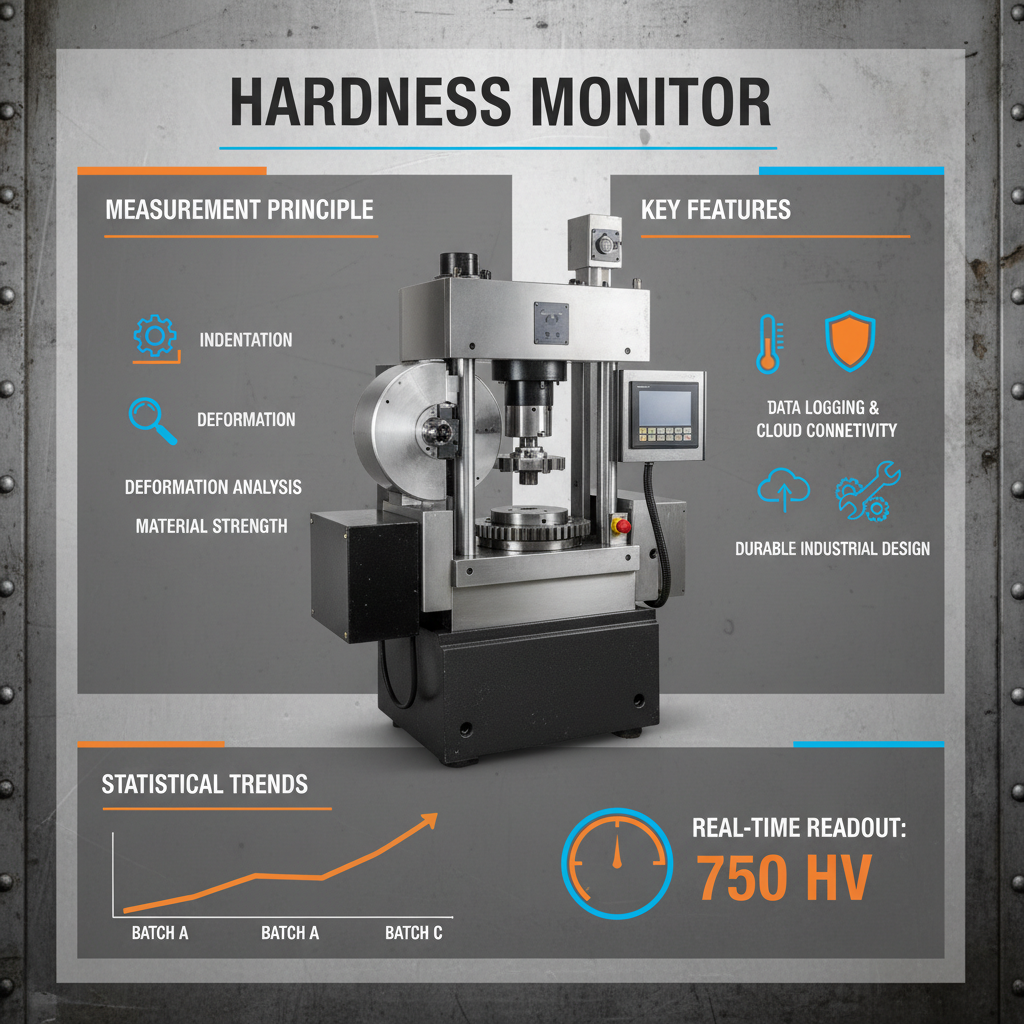
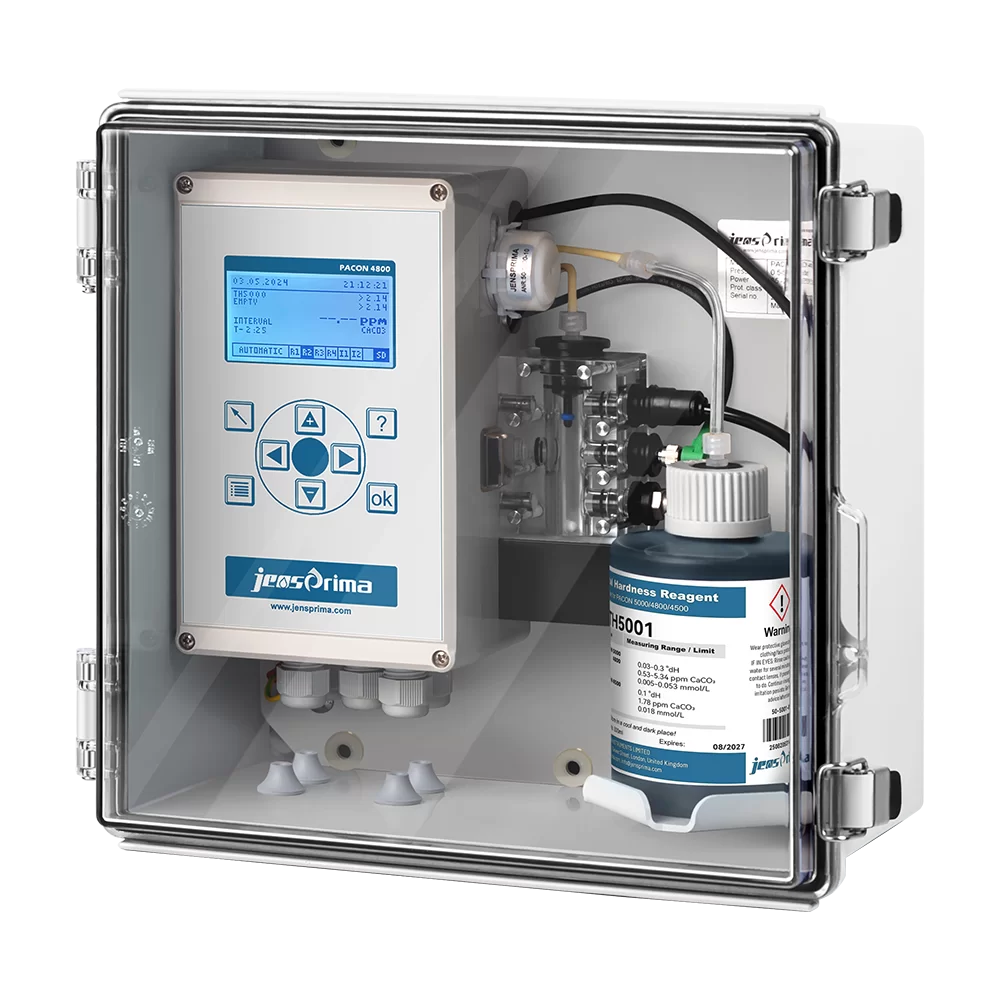
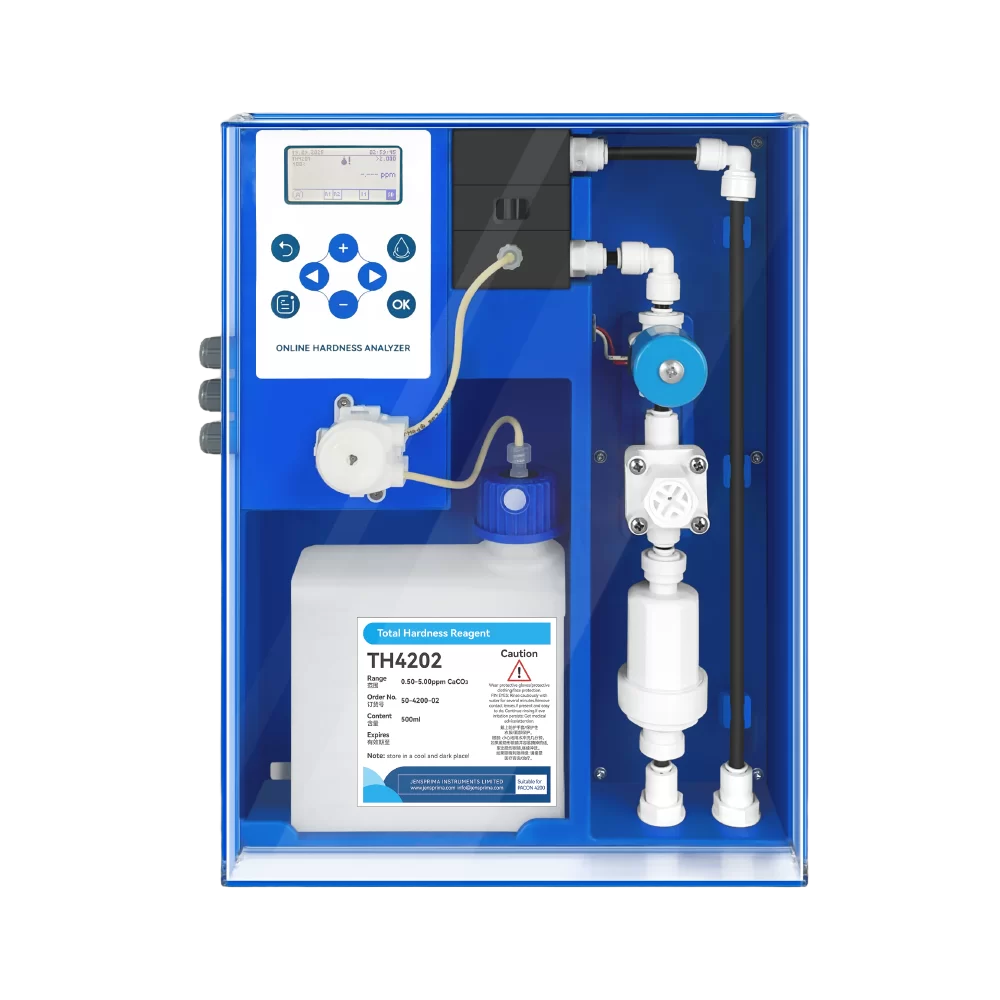
The importance of accurately assessing material hardness cannot be overstated in modern industry and engineering. A hardness monitor provides crucial data for quality control, ensuring that materials meet specified standards for performance and safety. From aerospace components to everyday consumer goods, the ability to reliably measure resistance to indentation, scratching, or deformation is fundamental to innovation and dependable product creation. Understanding hardness allows manufacturers to optimize material selection, predict component lifespan, and ultimately deliver superior products to market.
Globally, the demand for robust and reliable materials is constantly increasing, driven by technological advancements and increasingly stringent safety regulations. The ability to consistently and accurately measure hardness is therefore vital across diverse sectors, from automotive and construction to medical devices and energy. Effective material characterization, facilitated by sophisticated hardness monitor systems, enables improved design, manufacturing processes, and enhanced product integrity, contributing significantly to economic growth and public safety.
Furthermore, the development of increasingly specialized materials demands equally advanced methods of assessment. The utilization of a hardness monitor is no longer simply a quality control step; it is an integral part of the materials science process, guiding research and development towards new and improved material solutions for a wide range of challenging applications.
The Significance of Hardness Monitoring
Hardness monitoring is a critical process in materials science and engineering, serving as a fundamental indicator of a material’s resistance to localized plastic deformation. This property directly impacts a material's durability, wear resistance, and overall performance in various applications. Reliable hardness data informs material selection, validates manufacturing processes, and ensures that final products meet specified quality standards.
Without precise hardness monitoring, industries risk producing components that fail prematurely, leading to costly repairs, safety hazards, and reputational damage. A comprehensive hardness assessment strategy is, therefore, essential for maintaining quality, driving innovation, and fostering sustainable practices.
Defining Hardness Monitoring
Hardness monitoring, in its essence, is the systematic assessment of a material’s resistance to permanent indentation. It's not a fundamental material property in the same vein as tensile strength or elasticity, but rather a derived property indicative of a combination of other characteristics like yield strength, work hardening, and ductility. Different hardness monitoring techniques—such as Rockwell, Vickers, and Brinell—employ distinct indentation methods and scales, each suited to specific material types and applications.
This process is intrinsically linked to modern industry, enabling quality control throughout the production cycle, from raw material sourcing to final product inspection. It's also crucial in research and development, allowing scientists and engineers to characterize new materials and optimize their properties for targeted uses.
Furthermore, in humanitarian contexts, hardness monitoring is indirectly relevant through the creation of durable infrastructure and equipment used in disaster relief and long-term development projects. The longevity and reliability of these materials are directly tied to their inherent hardness and resistance to wear.
Core Components of Effective Hardness Monitoring
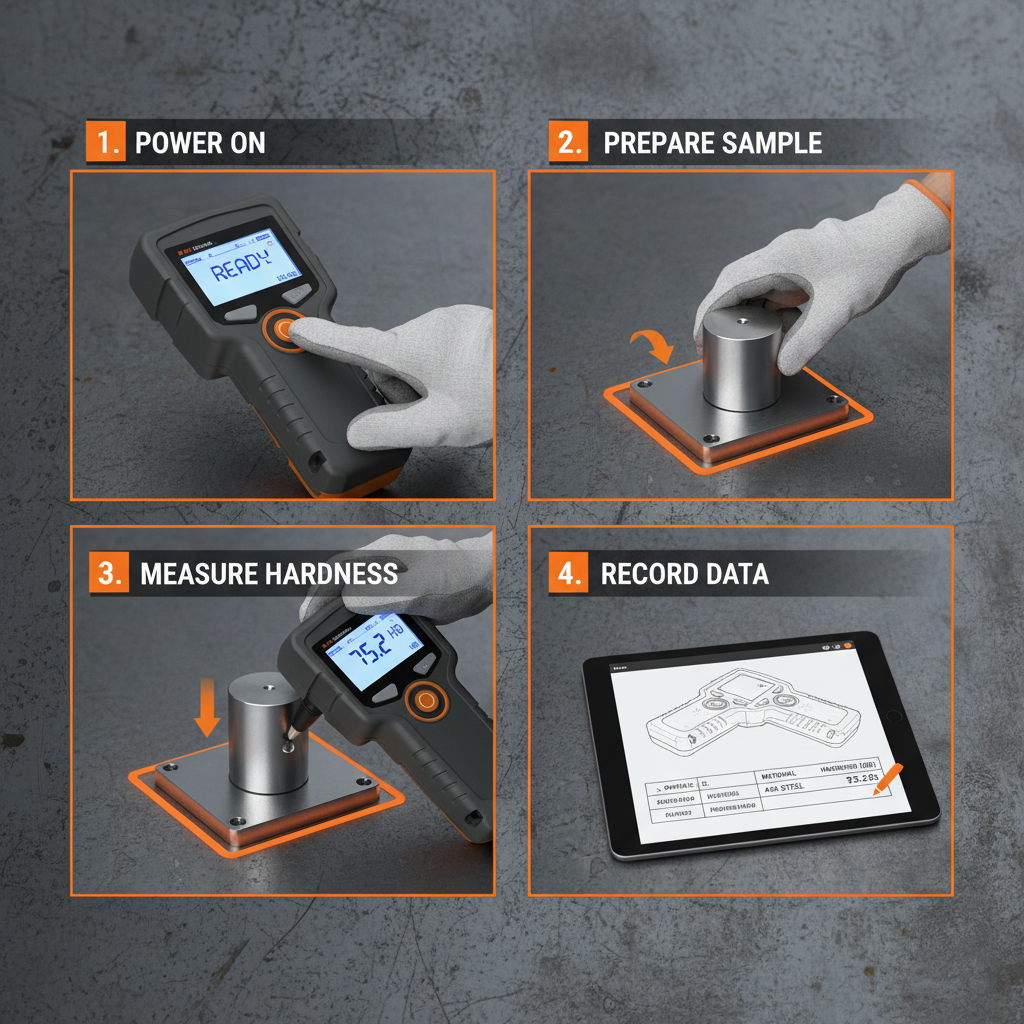
Effective hardness monitoring relies on several key components, starting with a precise and calibrated hardness monitor. The selection of the appropriate testing method (Rockwell, Vickers, Brinell, Knoop, etc.) is crucial, depending on the material type, specimen size, and desired level of accuracy. Proper sample preparation, including surface finish and cleanliness, is also essential for obtaining reliable results.
Beyond the instrument and methodology, skilled operators are paramount. Interpreting hardness readings, identifying potential errors, and ensuring adherence to established standards require thorough training and experience. Data management and statistical analysis are also vital for identifying trends, detecting anomalies, and continuously improving quality control processes.
Finally, traceability and documentation are essential for maintaining accountability and demonstrating compliance with industry regulations. Complete records of testing parameters, calibration data, and operator details provide a robust audit trail, ensuring the integrity of the hardness monitoring process.
Key Factors Influencing Hardness Monitor Performance
Several factors significantly impact the accuracy and reliability of hardness monitoring. Calibration is arguably the most critical, ensuring that the instrument consistently provides readings within specified tolerances. Regular calibration, performed by certified technicians, is essential for maintaining confidence in the results.
Material characteristics, such as surface finish, homogeneity, and thickness, also play a crucial role. Rough or uneven surfaces can lead to inaccurate readings, while variations in material composition can affect hardness values across a specimen. Careful sample preparation and selection are therefore vital.
Comparison of Hardness Monitor Methods
Global Applications and Use Cases
The applications of hardness monitoring are incredibly diverse, spanning a vast array of industries. In the automotive sector, hardness testing is crucial for ensuring the durability and safety of engine components, transmission parts, and chassis structures. In aerospace, it’s used to verify the integrity of critical materials used in aircraft construction.
The construction industry relies on hardness monitoring to assess the quality of steel reinforcement bars, concrete aggregates, and other building materials. In the medical device field, it’s essential for ensuring the biocompatibility and wear resistance of implants and surgical instruments. In post-disaster relief operations, assessing the hardness of materials used in temporary shelters and infrastructure can greatly improve the safety of these structures.
Advantages and Long-Term Value
The advantages of employing accurate hardness monitoring extend far beyond simple quality control. Reduced material waste, minimized production defects, and improved product lifespan translate directly into cost savings for manufacturers. Enhanced safety and reliability build consumer trust and protect brand reputation.
From a sustainability perspective, the ability to optimize material usage and extend product life cycles contributes to resource conservation and reduces environmental impact. Furthermore, reliable hardness data fosters innovation, enabling engineers to develop new materials and designs with enhanced performance characteristics, driving technological advancement.
Investing in a robust hardness monitoring system is an investment in long-term value, yielding benefits across multiple dimensions—economic, social, and environmental.
Future Trends and Innovations in Hardness Monitoring
The field of hardness monitoring is undergoing continuous evolution, driven by advancements in sensor technology, data analytics, and automation. The integration of artificial intelligence (AI) and machine learning (ML) algorithms promises to enhance the precision and efficiency of hardness testing, enabling real-time monitoring and predictive maintenance.
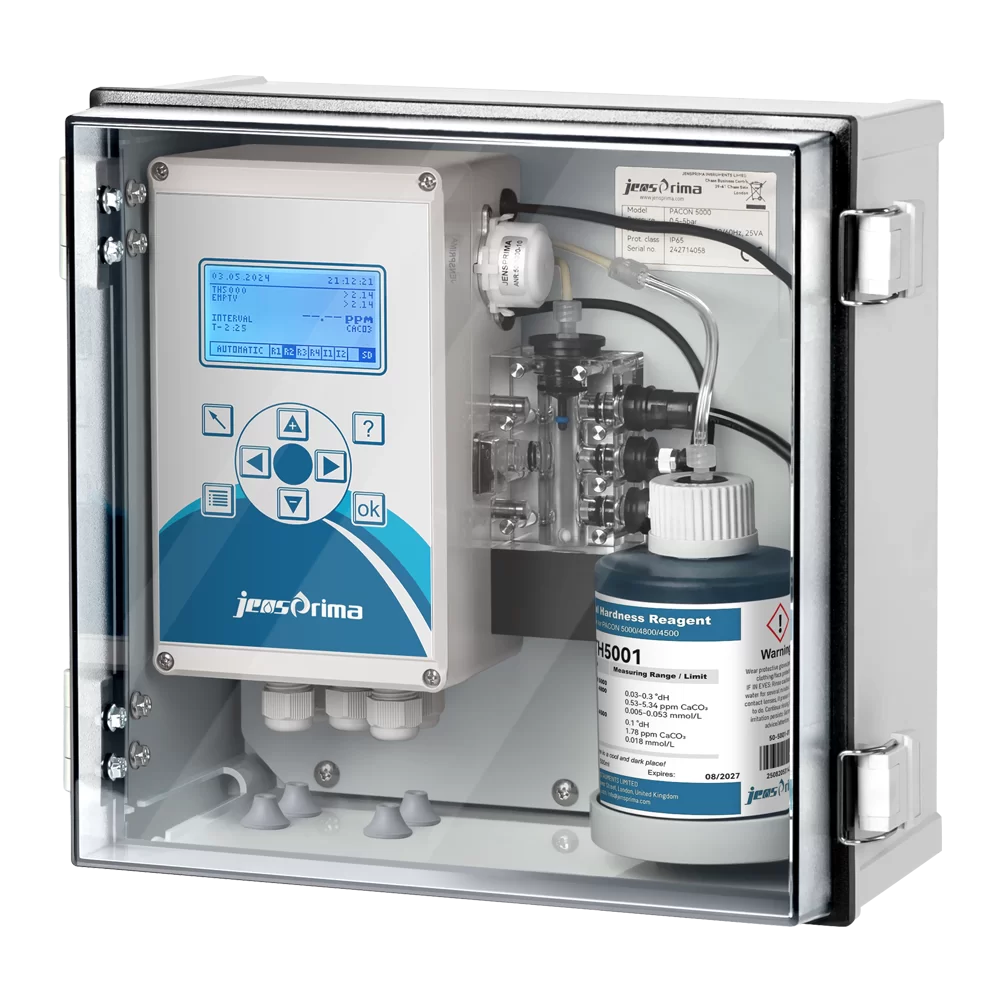
Non-destructive testing (NDT) methods, such as ultrasonic hardness measurement, are gaining prominence, offering the ability to assess material hardness without causing damage to the specimen. The development of portable and handheld hardness monitors allows for on-site testing, reducing the need for laboratory analysis.
These innovations, combined with the growing emphasis on sustainable materials and circular economy principles, will shape the future of hardness monitoring, paving the way for smarter, more efficient, and environmentally responsible manufacturing practices.
Summary of Challenges and Potential Solutions in Hardness Monitoring
| Challenge |
Impact on Hardness Monitoring |
Potential Solution |
Implementation Cost (1-10) |
| Calibration Drift |
Inaccurate readings, unreliable data |
Automated calibration schedules, remote monitoring |
6 |
| Operator Variability |
Inconsistent test results, subjective interpretation |
Standardized training programs, AI-assisted analysis |
5 |
| Surface Preparation |
Erroneous hardness values due to surface imperfections |
Automated surface polishing systems, non-destructive testing |
7 |
| Limited Access to Expertise |
Difficulty interpreting complex data, inadequate troubleshooting |
Remote expert support, online training modules |
4 |
| Data Management Complexity |
Difficulty tracking historical data, identifying trends |
Cloud-based data storage, integrated analytics dashboards |
8 |
| Cost of Advanced Equipment |
High initial investment for sophisticated hardness monitor systems |
Leasing options, phased implementation strategies |
9 |
FAQS
Rockwell testing utilizes a major load applied after a minor load, making it quicker and generally suitable for larger, less sensitive samples. Vickers, however, uses a consistent load throughout, resulting in more accurate indentation measurements, particularly for harder materials and smaller sample sizes. Selecting the right method depends on the material type, desired precision, and testing requirements.
Calibration frequency depends on usage and manufacturer recommendations, but generally, a hardness monitor should be calibrated at least annually. More frequent calibration is recommended for high-volume testing or if the instrument experiences significant wear and tear. Regular calibration ensures accurate and reliable results, maintaining data integrity and compliance with industry standards.
Several factors can impact accuracy, including improper sample preparation (surface finish, cleanliness), incorrect calibration, operator technique, environmental conditions (temperature, vibration), and the material’s homogeneity. Careful attention to these factors is crucial for obtaining reliable hardness readings.
While hardness isn’t a fundamental property, it correlates with other mechanical properties like tensile strength and yield strength. Empirical relationships can be used to estimate these properties from hardness values, but direct tensile testing is often required for precise measurements. Hardness testing provides a cost-effective and relatively quick way to gain insights into material behavior.
Digital hardness testers offer increased accuracy, repeatability, and data logging capabilities compared to manual testers. They often include automated testing cycles, reducing operator fatigue and minimizing human error. Data can be easily exported for analysis and reporting, streamlining quality control processes.
The indentation force must be appropriate for the material being tested. Too low a force may result in inaccurate readings due to surface effects, while too high a force can cause excessive penetration or damage the sample. Selecting the correct force ensures a valid and representative hardness measurement, adhering to established testing standards.
Conclusion
In conclusion, hardness monitoring is a cornerstone of materials science and engineering, providing crucial data for quality control, product development, and safety assurance. The accurate and reliable assessment of material hardness, facilitated by advanced hardness monitoring systems, is essential for optimizing material selection, extending product lifespan, and promoting sustainable manufacturing practices.
Looking ahead, the integration of AI, machine learning, and non-destructive testing technologies will revolutionize the field, enabling real-time monitoring, predictive maintenance, and more efficient quality control processes. Embracing these innovations will be key to unlocking new levels of performance, reliability, and sustainability in a wide range of industries. Visit our website at www.jensprima.com to learn more about our advanced hardness testing solutions.




 Download
 Video Center
 Technical Services
 FAQS
FAQS Service Network
 Privacy Policy
 Contact Us